
Quick question: what temperature does your house hit in the afternoon when nobody’s home and the AC is set to “vacation mode” so the bill doesn’t terrify you?
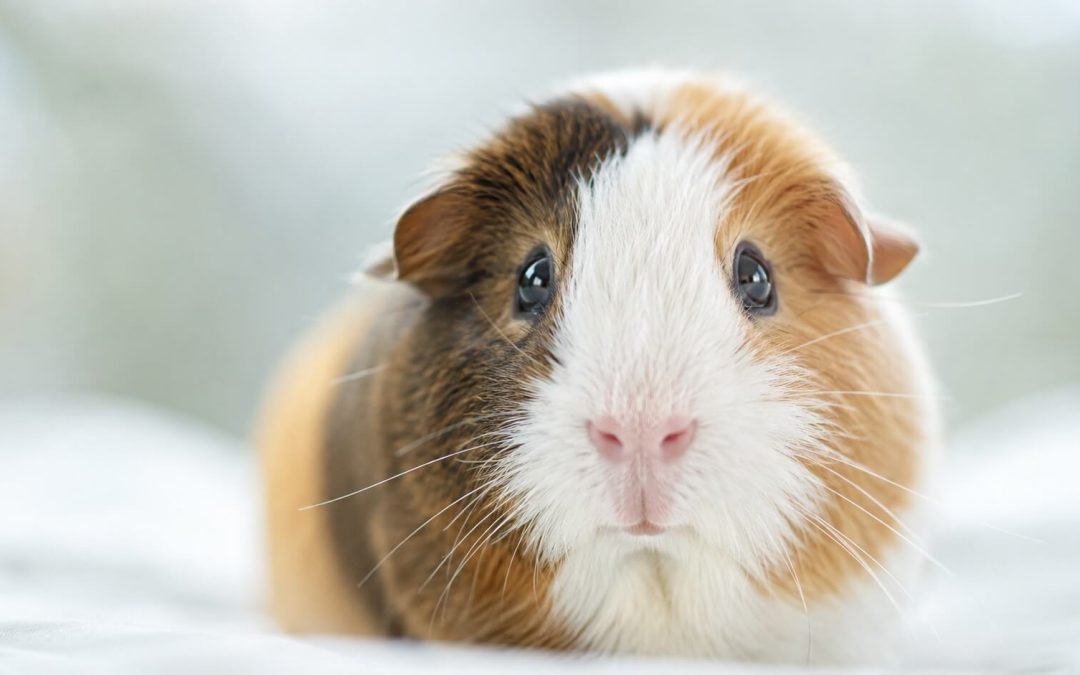
If you said anything north of 78°F, your guinea pig would like a word.
Most small pets — hamsters, guinea pigs, rabbits, gerbils, chinchillas, even some birds — are dramatically more vulnerable to heat than the average cat or dog, and almost nobody talks about it. They live quiet lives in cages and habitats, they don’t pant at the back door, and by the time something looks visibly wrong, small pet heat stroke is often already serious trouble.
Summer is the most dangerous season for small pets, and the danger is largely invisible. Here’s what every owner needs to know about small pet heat stroke before it becomes an emergency.
Why Small Pets Overheat So Fast
The basic problem comes down to physics.The basic problem comes down to physics. Small pet heat stroke happens so easily because small bodies have a high surface-area-to-volume ratio,
A guinea pig is a thermal sponge with fur. So is a hamster. They have less mass to absorb heat changes, which means a few degrees of temperature swing affects them far more than it would affect you, your dog, or your cat.
Most small pets also can’t sweat. They can’t pant effectively. Their cooling tools are remarkably limited:
- Guinea pigs rely on stretching out on cool surfaces and breathing faster. They have almost no real heat-regulation system. Anything above 75°F starts stressing them, and 80°F is genuinely dangerous.
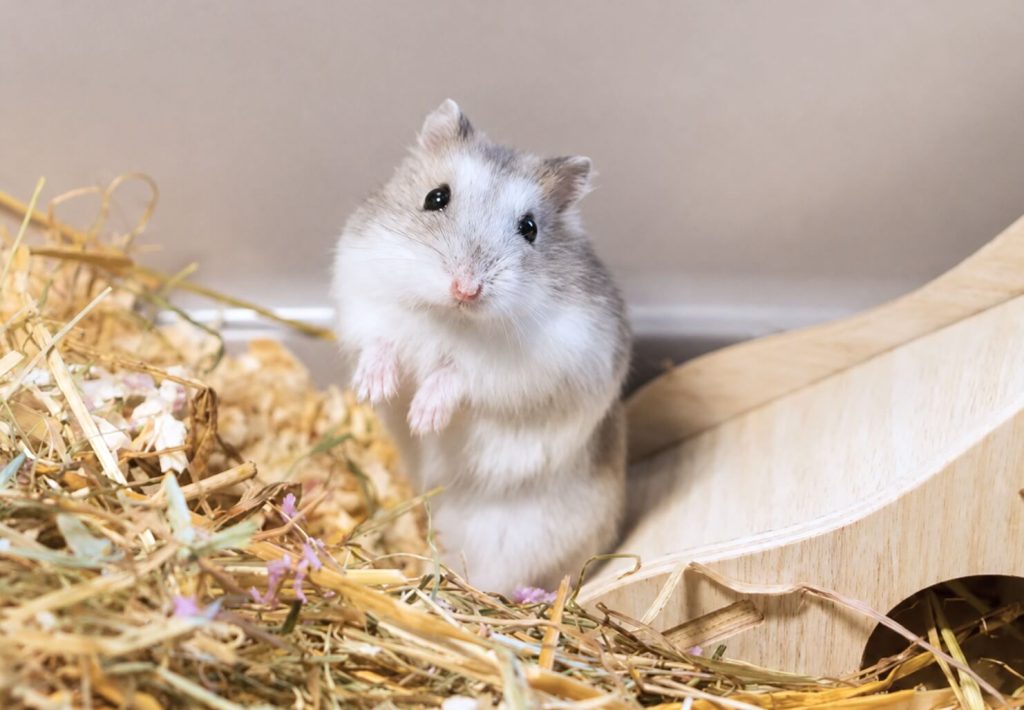
- Hamsters dig into bedding to find cooler ground in the wild, but in a cage with limited substrate, that escape route is gone. They’re in trouble above 75°F as well.
- Rabbits dissipate some heat through their ears, which is why you’ll see them flat on their side in summer with ears pinned back. They handle heat slightly better than guinea pigs, but anything over 80°F is risky, and over 85°F can be fatal.
- Chinchillas are the most heat-sensitive of the common small pets. They’re literally built for the high Andes. Above 75°F, they’re stressed. Above 80°F, they can die in hours.
- Birds vary by species, but most pet birds tolerate roughly the same range humans do — though they’re highly sensitive to humidity and direct sun on their cage.
If you read those numbers and thought, “wait, my house gets warmer than that in summer all the time,” you’re not alone. That’s exactly the problem.
The Cage Is Hotter Than the Room
Here’s the part most owners miss, and it’s a huge factor in small pet heat stroke: the temperature inside your pet’s habitat is almost always higher than the temperature in the room itself.
A few reasons:
Cages trap heat. Glass tanks, plastic enclosures, and even wire cages with bedding all hold warmth. The substrate, the hide boxes, the walls of the habitat — they all radiate heat back at the animal.
Sunlight through windows is brutal. A cage placed near a window can climb 10 to 15 degrees above the room temperature on a sunny afternoon. Even indirect sun, filtered through curtains, can do real damage over hours.
Heat rises. If the cage is on a shelf or table near the ceiling, it’s sitting in the warmest air in the room.
Poor airflow makes it worse. Cages tucked in corners, against walls, or behind furniture don’t get the air circulation needed to dissipate heat. The animal is stewing in their own warm exhaust, basically.
The practical takeaway: your thermostat reads 76°F, but your guinea pig might be living in 84°F. That’s the difference between “fine” and “emergency.”
Small Pet Heat Stroke Symptoms That Often Get Missed
Small pets are prey animals, and prey animals are evolutionary masters at hiding distress. Showing weakness in the wild gets you eaten. So when your guinea pig is overheating, they’re not going to make a scene about it — which is exactly why small pet heat stroke is so easy to miss until it’s advanced.
Watch for these warning signs:
- Lying flat and stretched out, especially on the side, with limbs splayed
- Rapid, shallow breathing that doesn’t slow down
- Drooling or wet fur around the mouth
- Bright red ears in rabbits (their cooling system is in overdrive)
- Refusing to move, including refusing food or water that’s right there
- Wobbliness or confusion — head tilting, stumbling, seeming “checked out”
- Convulsions or seizures in advanced cases
Seizures and unresponsiveness are late-stage signs. By then, you have minutes, not hours. If you see them, this is a vet emergency immediately.
How to Cool Down a Small Pet Safely
If you suspect small pet heat stroke, act fast — but don’t shock their system.
Move them to a cooler room. Tile bathrooms or basements work well. Keep them in their carrier or a familiar enclosure during transport.
Offer cool (not cold) water. Use a syringe or a shallow dish if they’ll drink on their own.
Dampen their ears and feet with a slightly cool, wet washcloth. For rabbits especially, the ears are key — you’re helping their natural cooling system work harder.
Place a tile or ceramic dish (kept in the fridge, never the freezer) in their habitat. They’ll instinctively lie on it.
Do not submerge them in cold water. Sudden temperature drops cause shock, which can be as dangerous as the heat itself.
Do not put ice or ice packs directly against them. Frozen water bottles wrapped in a towel and placed near (not touching) the animal are a safer alternative.
Call your vet. Small pet heat stroke often causes internal damage that’s invisible from the outside. A pet that “seems fine now” can still be in trouble. Get them checked.
Setting Up a Habitat That Survives Summer
Preventing small pet heat stroke is so much easier than emergency treatment. A few habitat moves now can make the whole season safer:
Location, location, location. Move the cage away from windows, exterior walls, and direct sun. The interior of the home, on a lower shelf, in a room with reliable AC, is ideal.
Maintain consistent AC. This is the big one. If you turn the AC up while you’re at work, the room your small pet lives in needs to stay cool anyway. A small window unit or a portable AC for that room is worth every dollar.
Use ceramic or marble tiles. A flat tile placed in the cage gives small pets a cool surface to lie on. Rotate two — one in the fridge, one in the cage — and swap them out a couple of times a day on hot days.
Frozen water bottles, wrapped in a towel. Placed against the outside of the cage or in a corner, these work as little air conditioners. Never directly on the animal.
Switch to lighter bedding in summer. Less depth, more airflow.
Provide a hide on a cool surface. Small pets need somewhere to retreat that isn’t padded or insulated. A ceramic hide on a tile floor is perfect.
Mist (carefully). Some species benefit from a light misting of the ears or fur with cool water on hot days. Research your specific pet first — this works for rabbits and chinchillas (chinchillas only on the ears, never the fur), but isn’t recommended for guinea pigs, hamsters, or gerbils.
What About When You’re Out of Town?
This is the part of small pet care — and small pet heat stroke prevention — that almost nobody plans for.
A weekend trip in July. The neighbor said they’d “swing by” to check on the guinea pig. The AC has been bumped up to save money. Nobody noticed the afternoon sun shifted to hit the cage directly through the curtains. By Sunday evening, you come home to a tragedy that absolutely did not need to happen.
Small pets need real care during summer travel — not a quick once-a-day pop-in from someone who isn’t sure what to look for. They need someone checking habitat temperature, watching for the subtle signs of small pet heat stroke, refilling water (which gets warm and gross fast in summer), rotating cooling tiles, and confirming the AC is doing its job.
This is something we genuinely care about at Walking Wet Noses. Our cat sitting and small animal care service covers hamsters, guinea pigs, rabbits, birds, and other small caged animals — not as an afterthought, but because they need real care too. Our team knows what a stressed guinea pig looks like, why a chinchilla shouldn’t be near a sunny window, and how to set up a hot-weather routine that keeps small pets safe while you’re away.
For longer trips, our in-home pet sitting means someone is checking on your small pet multiple times a day — not just dropping by once and hoping for the best.
If you’ve got a summer trip on the calendar and a small pet at home, reach out and let’s build a plan. The peace of mind is worth the conversation.
The Bottom Line on Small Pet Heat Stroke
Small pets get the short end of the heat-safety conversation, and the consequences can be devastating because they’re so quiet about being in trouble.
The rules for preventing small pet heat stroke are simple: keep the room cool, keep the cage out of the sun, watch for the subtle signs, and don’t assume “the house feels fine” means your hamster does too. Their thermometer reads differently than yours.
Your small pet trusts you to figure out the things they can’t tell you. Heat is one of the biggest.

Recent Comments