
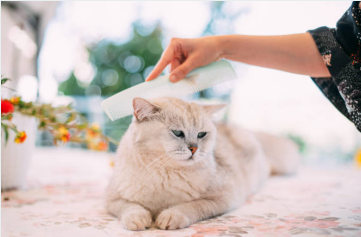
Cat shedding solutions become urgent the moment spring arrives — when suddenly every black sweater looks like it survived a snowstorm and the Roomba files a formal complaint. If you’re finding fur tumbleweeds in corners you didn’t know existed, you’re not imagining it. Spring shedding is real, it’s intense, and your cat (whether they’re a sleek Siamese in Fairfax or a fluffy Maine Coon in Vienna) is right on schedule.
Here’s the good news: with the right approach, you can dramatically reduce the fur explosion AND keep your cat happier, healthier, and more entertained while you’re at it. We’ve learned a thing or two caring for cats across Fairfax, Oakton, Burke, Chantilly, and Centreville — and we’re spilling our best tips today.
Grab the lint roller. Let’s talk cats.
Why Spring Triggers the Great Cat Fur Explosion
Cats shed year-round, but spring brings a noticeable spike. As the days get longer and temperatures rise, your cat’s body responds to the seasonal cues by ditching the thick winter undercoat they grew back in the fall. This process is called “blowing coat,” and it can last anywhere from a few weeks to a couple of months depending on your cat’s breed, age, and overall health.
Indoor cats actually shed more consistently than outdoor cats because artificial lighting and central heating disrupt their natural cycles. Translation: even if your kitty never goes outside, she’s still subject to nature’s “out with the old fur” springtime memo.
Some shedding is completely normal. But excessive shedding — especially with bald patches, dry skin, dandruff, or behavior changes — can signal something more serious. We’ll cover when to worry later in this post.
Cat Shedding Solutions: The Top 6 Strategies That Actually Work
Effective cat shedding solutions start with consistency. Here’s what actually works (in order of impact):
1. Brush Regularly — Like, Really Regularly
The single most effective shedding solution is brushing. Daily brushing during spring is ideal, but even 3-4 times per week makes a massive difference. The fur you remove with a brush is fur that won’t end up on your couch, your clothes, or in your cat’s stomach as a hairball.
Best brushes by coat type:
- Short-haired cats: Rubber grooming gloves or a soft-bristle brush
- Medium-haired cats: Slicker brush or a wide-tooth comb
- Long-haired cats: Wide-tooth comb followed by a slicker brush, with a deshedding tool used sparingly (once or twice a week max)
If your cat hates brushing, start with short sessions paired with treats and gradually build up. Many cats who initially resist actually start requesting brush time once they realize how good it feels.
2. Hydration Is the Secret Weapon
Dehydrated cats have drier skin and shed more. Most cats are notoriously bad about drinking water, which is why we always recommend:
- A cat water fountain — moving water entices most cats to drink more
- Multiple water stations around your home (cats often won’t drink near their food bowl)
- Adding wet food to your cat’s diet — even a small amount daily increases hydration significantly
- Filtered water (some cats are sensitive to chlorine taste in tap water)
3. Upgrade the Diet
A high-quality diet rich in omega-3 and omega-6 fatty acids dramatically improves coat health. Look for cat foods where real meat is the first ingredient, with named animal fats (like chicken fat or salmon oil) listed in the top five ingredients.
You can also talk to your vet about adding a pet-safe omega-3 supplement, especially if your cat has dry, flaky skin or a dull coat. We always recommend checking with your veterinarian before adding supplements.
4. Manage Indoor Air Quality
Northern Virginia’s spring brings pollen, mold spores, and fluctuating humidity — all of which can irritate your cat’s skin. A few easy fixes:
- Run a HEPA air purifier in the rooms where your cat spends the most time
- Use a humidifier if your home gets dry (especially with the heat still kicking on cold spring nights)
- Vacuum and dust regularly to reduce ambient allergens
- Wash your cat’s bedding weekly in hot water
5. Reduce Stress (Yes, Really)
Stress causes excessive shedding in cats. Common stressors include schedule changes, new pets, construction noise, or being left alone for long stretches. Maintaining your cat’s routine — feeding times, play sessions, and human attention — helps keep stress shedding in check.
This is one of the biggest reasons our clients book in-home cat sitting through Walking Wet Noses when they travel. Cats absolutely hate boarding facilities. Staying in their own home with familiar routines significantly reduces stress (and stress shedding) compared to a kennel environment.
6. Don’t Forget the Vet
Annual checkups catch underlying issues — hormonal imbalances, parasites, nutritional deficiencies — that show up first in your cat’s coat. Spring is a perfect time to schedule a wellness visit if you’re due. The most effective cat shedding solutions always include ruling out medical causes first.
Cat Shedding Plus Boredom Equals Trouble
Here’s something most pet parents don’t realize: bored cats groom themselves obsessively, which means even more loose fur ends up in your home (and in their stomachs as hairballs). Mental and physical enrichment isn’t just nice to have — it’s a core part of any solid cat shedding solutions strategy.
Spring is a great time to refresh your cat’s enrichment because the longer days and active wildlife outside mean more visual stimulation is available naturally — you just need to take advantage of it.
Indoor Enrichment Ideas Your Cat Will Actually Use
Window Perches & Bird TV
Set up a comfortable window perch near a window where birds, squirrels, and neighborhood activity create natural entertainment. A bird feeder visible from the window takes this to the next level — it’s literally cat television, and it’s free.
Puzzle Feeders
Replace your cat’s standard food bowl with a puzzle feeder a few times a week. This taps into hunting instincts, slows eating (good for digestion), and provides serious mental stimulation. Start with easy puzzles and increase difficulty as your cat masters them.
Vertical Space
Cats are climbers by nature. Cat trees, wall-mounted shelves, and tall scratching posts give them the elevation they crave. A bored cat with no climbing options is a cat who will use your bookshelves and curtain rods instead.
Rotate Toys Weekly
Don’t leave all toys out at once. Keep half in a box and rotate them weekly — this makes “old” toys feel new again and prevents boredom. Wand toys, crinkle balls, treat-dispensing toys, and tunnels all earn their keep with this method.
Daily Play Sessions
Even 10-15 minutes of dedicated play time twice a day works wonders. Use a wand toy to mimic prey movements — quick darts, hides, pauses, then chase. End each session with a “kill” so your cat gets that satisfying hunting payoff.
Cat Grass & Catnip
Spring is the perfect time to grow a small pot of cat grass on your windowsill. It satisfies natural grass-chewing instincts, adds fiber to help with hairball passage, and gives indoor cats a literal taste of the outdoors. Catnip toys are another easy win for most cats (about 70% have the genetic response to catnip — the rest just look at you confused).
When to Call Your Vet About Shedding
Most spring shedding is normal, but watch for these red flags:
- Bald patches or visibly thinning fur
- Excessive grooming in one specific spot
- Dry, flaky skin or visible dandruff
- Scabs, sores, or red irritated skin
- Behavioral changes like hiding, decreased appetite, or lethargy
- Fleas or other parasites visible during brushing
Any of these warrant a vet visit. Skin and coat issues often signal underlying conditions that are very treatable when caught early.
Why Cats Need Specialized Care When You’re Away
Cats get the short end of the stick in the pet care world. They’re often misunderstood as low-maintenance compared to dogs, when really they have very specific needs that suffer when their routine is disrupted. Boarding a cat is genuinely traumatic for most felines — the new smells, sounds, and proximity to other animals can spike stress hormones for days.
That’s why our cat sitting visits across Fairfax, Vienna, Oakton, Burke, Chantilly, and Centreville include more than just food and litter scooping. We provide:
- Brushing during shedding season (with your supplied brush)
- Interactive play sessions with their favorite toys
- Window time and environmental enrichment
- Medication administration if needed
- Photo and video updates so you can check in on your kitty
- Mail collection and basic home check while we’re there
For senior cats with shedding issues tied to age-related conditions, our Grey Muzzles and Wise Whiskers — Patient, Senior-Focused Care for Every Season of Life program provides gentle, attentive care tailored to older felines.
If you’re planning Memorial Day travel, our complete Memorial Day pet sitting guide covers everything cat parents need to prep before leaving.
A Few Final Pro Tips for Surviving Cat Shedding Season
- Invest in a good vacuum with strong pet hair attachments — it pays for itself in sanity
- Keep a lint roller in every room (and your car, and your bag)
- Wash bedding and throws on a regular schedule to keep fur from accumulating
- Use a damp rubber glove to wipe down upholstery — it picks up fur incredibly well
- Embrace the fur a little — you live with a cat. Some hair is the cost of admission to feline companionship, and honestly, it’s worth it.
Need a Trusted Cat Sitter This Spring?
Whether you’re traveling for spring break, summer vacation, or just need someone reliable to drop in while you’re at work, Walking Wet Noses is here for you and your cats. Our team is fully insured, bonded, and trained to handle everything from medication administration to gentle brushing during peak shedding season.
If you’re searching for the best cat shedding solutions or simply need a sitter who actually understands cats, we’d love to meet you. Visit walkingwetnoses.com to schedule your free meet-and-greet, or give us a call to chat about your kitty’s specific needs.
Your cat deserves a sitter who knows the difference between “leave me alone” tail flicks and “pet me more” ones. We do.


Recent Comments