
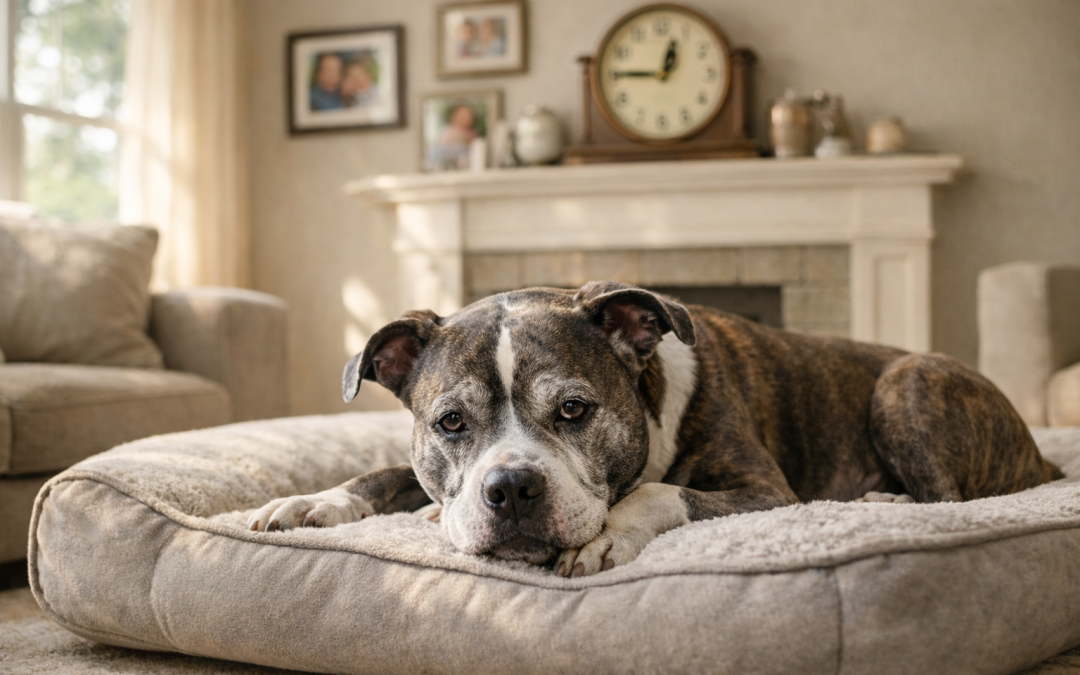
Grey Muzzles and Wise Whiskers — Patient, Senior-Focused Care for Every Season of Life
Senior dog care often starts with optimism.
“Today should be fine.”
“I’ll be home early.”
“My neighbor said they might be able to pop by.”
And sometimes? It is fine.
Until it’s Tuesday. Or Thursday. Or a last minute meeting gets scheduled to discuss the upcoming meeting about the upcoming meeting.
That’s why senior dogs need more than flexible help. For older dogs, those we’ll see how the day goes afternoons can feel very long indeed.
In our visits, we meet plenty of senior dogs who are patient, polite, and incredibly good at waiting. The problem is that waiting used to be easier. As dogs age, long stretches without a break stop feeling neutral and start feeling heavy.
Why “Flexible Help” Sounds Better Than It Works
Flexible help sounds great on paper. No schedule to manage. No commitment. No pressure. Just a friendly check-in when someone’s free. The catch is that senior dogs don’t experience flexibility as freedom. They experience it as uncertainty.
When visits happen at different times—or don’t happen at all—older dogs lose the rhythm that helps them feel settled. Long afternoons stretch on. Evenings arrive with stiffness or restlessness. Nothing is technically wrong. The day just feels off.
That’s usually when pet parents start thinking, Okay… maybe this isn’t working as well as I hoped.
What Professional Senior Dog Walking Changes
Professional senior dog walking doesn’t add excitement to the day—it adds reliability. The walk happens at roughly the same time, the pace stays calm, and the visit doesn’t disappear just because a meeting runs long. For senior dogs, that consistency matters more than distance or duration. Over time, they begin to anticipate that midday visit, and the day stops feeling endless. Everything before and after feels easier to handle.
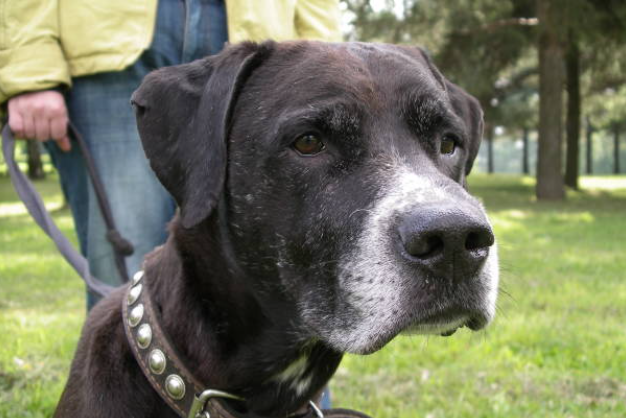
For busy professionals, it’s a relief too—no more mid-afternoon calendar gymnastics or guilt texts, just a routine that quietly works.
That consistency helps solve some of the most common pain points we see with senior dogs during long workdays:
- Long afternoons broken into manageable parts instead of one long wait
- Gentle movement built into the day, rather than everything pushed to the evening
- A familiar routine that doesn’t change when schedules do
- Fewer end-of-day restlessness moments for both dogs and their people
Why “I’ll Make It Up Tonight” Stops Working as Dogs Age
It’s easy to assume that a longer walk after work will balance out a quiet day. For senior dogs, that logic doesn’t always land. By the time evening arrives, stiffness may already have set in and energy can be uneven. What helps more is spreading movement across the day instead of saving it all for later. A calm midday walk keeps things from piling up—physically and mentally—and helps the entire day feel more manageable.
As dogs get older, small inconsistencies add up faster. A late visit here. A missed walk there. Over time, afternoons feel longer and evenings feel harder to settle into. That’s why senior dog walking during the workday works best as a routine, not an occasional favor. If you’re curious what that kind of consistency looks like in real life, we break it down further in another post on Senior Dog Walking During the Workday in Fairfax, Oakton, and Vienna.
Why This Matters More as Dogs Age
As dogs get older, small inconsistencies don’t stay small for long. A visit that runs late, a walk that gets skipped, or a long afternoon without a break can quietly compound over time. What once felt like a minor disruption can start to affect how a dog settles, how comfortable they feel moving through the evening, and how relaxed they are overall.
Older dogs rely more heavily on familiar patterns to feel secure. When the day unfolds differently from what they’ve come to expect, it can leave them feeling unsettled—even if everything technically “gets done” by the end of the day. Afternoons stretch longer, evenings feel harder to wind down, and the calm that used to come naturally may take more effort to find.
This is exactly what we talk about in When Pets Slow Down but Work Doesn’t: Senior Pet Care That Supports Aging Pets. It’s not about rigid schedules or doing more—it’s about creating a steady rhythm older dogs can rely on, especially during long workdays when their people can’t be there. That sense of predictability helps senior dogs feel more comfortable in their own space and more at ease as the day comes to a close.
Choosing the Option That Actually Holds Up
The goal isn’t perfection. It’s dependability.
Most senior dog walking clients choose recurring weekday walks, often three or more visits per week, so their dog’s routine stays steady even when life gets busy. That consistency helps older dogs stay comfortable and gives pet parents one less thing to juggle during the workday.
Senior dogs don’t need surprise afternoons or last-minute plans. They need days that unfold the same way, again and again.
If you’re a busy professional in Fairfax, Oakton, or Vienna and you’re weighing flexible help against professional senior dog walking during the workday, we’re happy to talk through what a dependable weekday routine could look like for your dog.
Reach out through our contact page to start a conversation that fits your work life—and your senior dog’s pace.

Recent Comments