

Let’s be real — the litter box is not the most glamorous part of cat parenting. But it might be the most important one. If you’ve been searching for cat litter box tips in Fairfax VA (or anywhere), you’re in the right place. Here, where busy schedules mean cats are often home solo for stretches of the day, a well-thought-out litter setup isn’t just nice to have. It’s the difference between a happy, consistent kitty and a cat who’s quietly staging a protest on your laundry pile.
Here’s the thing most people don’t realize: the majority of litter box problems aren’t behavioral issues. They’re setup issues. And the fixes are usually simpler than you’d expect. Whether you’re a brand-new cat owner staring down a wall of litter options at the pet store, or a seasoned cat parent wondering why your picky feline has suddenly changed her opinion of the box she’s used for two years — this guide is for you.
Why Cat Litter Box Setup Matters More Than Most Cat Parents Think
Cats are creatures of habit, and they’re also creatures of comfort. They care deeply about where they go, how the litter feels under their paws, whether the space feels safe, and yes — whether the box is clean enough to meet their standards (which are higher than yours, by the way). When something feels off about the setup, cats don’t try to communicate the problem. They just find somewhere else to go.
At Walking Wet Noses, our cat sitters visit homes across Fairfax, Oakton, Vienna, Chantilly, Centreville, and Burke every single week. Over the years, we’ve seen litter box situations that range from picture-perfect to “oh, we need to have a chat.” The most common issues we encounter aren’t mysterious — they’re almost always tied to box size, location, cleanliness routine, or litter type. And every single one of them is fixable.
Cat Litter Box Tips, Starting With the Basics: Size Really Matters
This is the number one thing we see done wrong, and it’s completely understandable. Most commercially available litter boxes are marketed toward visual appeal and bathroom aesthetics, not your cat’s actual comfort. The result? Millions of cats are using boxes that are too small for them.
A good rule of thumb is that your cat should be able to step in, turn around comfortably, dig a bit, and do their business without feeling cramped. If your cat has to contort to fit or stands half-in, half-out — the box is too small. For larger cats, many cat parents have excellent luck with large plastic storage totes (appropriately cleaned and cat-safe) that offer far more room than standard retail boxes.
💬 On covered vs. uncovered: covered boxes can look neater in your home, but most cats actually prefer an open box. Lids trap odors inside and can make cats feel cornered. If you prefer a covered box, go as large as possible and consider removing the door flap — many cats treat it as a hard pass.
Litter Box Location Tips: Quiet, Accessible, and Never Next to the Food Bowl
Cats want their bathroom to feel safe. That means quiet (not next to a loud washer/dryer or HVAC unit that kicks on unexpectedly), accessible at all hours, and far away from their food and water. The laundry room is a common choice and works well in many homes — but if your dryer regularly startles your cat mid-use, it might be why she’s been eyeing the hall rug.

For homes with multiple floors, a box on each level is genuinely worth the investment. Senior cats especially should never have to race down a flight of stairs to make it in time. Accessibility matters, and it gets more important as your cat ages.
💡 Placement Tip: Avoid high-traffic, high-noise corners where your cat might feel like they can’t make a clean exit if needed. Cats feel vulnerable when they’re in the box, and they want to be able to see the room. A box tucked in a tight corner might seem tidy — but it can feel like a trap.
Choosing the Best Cat Litter: A Surprisingly Personal Decision (For Your Cat)
Walk into any pet store and the litter aisle will humble you fast. Clay, crystal, pine, paper, corn, walnut shells — it’s a lot. The good news is that you don’t need to find the “best” litter. You need to find the right litter for your specific cat. And the single most important piece of guidance we can give? Start with unscented.
Cats, with their extraordinary sense of smell, often find heavily scented litters overwhelming and off-putting. When a litter smells too strongly of lavender or “fresh ocean breeze,” the message your cat may be receiving is: “this does not smell like a place I want to be.” Unscented clumping clay is a reliable starting point for most cats, and it makes switching easier if you ever want to try something new.
A Quick Look at Common Litter Types
There’s no single best litter for every cat — but there is a best litter for your cat. Here’s a quick breakdown of the most common types and what to know about each one:
🟤 Clumping Clay
Most widely used — easy to scoop, solid odor control. Look for low-dust formulas if anyone has respiratory sensitivities.
🌲 Pine / Wood
Naturally good odor control, popular with eco-conscious pet parents. Some cats love it — others simply won’t tolerate it.
📰 Paper Pellets
Very low-dust, great for sensitive households or post-surgery cats. The texture is different, so introduce gradually.
💎 Crystal / Silica
Excellent moisture absorption and odor control. The texture can be a dealbreaker for texture-sensitive cats.
Whatever type you choose, transition gradually — mix about 25% new litter with 75% old for the first few days, then shift the ratio over one to two weeks. A sudden full swap is one of the fastest ways to create a litter box avoider.
Litter Box Cleaning Tips: How Clean Is “Clean Enough”?
Short answer: cleaner than you think. Cats are fastidious by nature, and even a box that looks fine to you might not meet your cat’s standards. Daily scooping is the gold standard for most households. For cats who are particularly particular — you know who you are (the cat, we mean) — twice a day is even better.
Beyond daily scooping, a regular full litter change and box wash keeps things fresh at a deeper level. When you do wash the box, avoid heavily fragrant cleaners. Mild dish soap and warm water does the job without leaving a scent that might make your cat second-guess the whole situation.
We’ve walked into beautifully kept homes where the litter box was the one overlooked thing — not because the owners didn’t care, but because busy schedules pile up fast. This is exactly why consistent cat sitting visits make such a difference.
Multi-Cat Households: Preventing the Litter Box Standoff
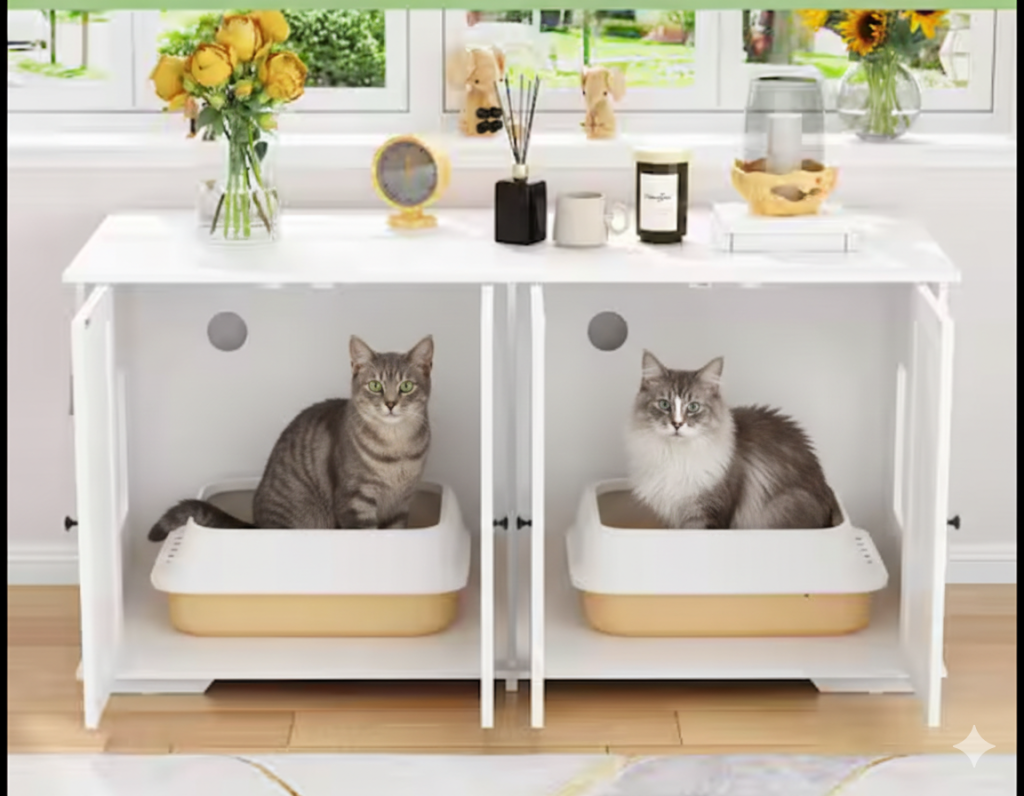
If you share your home with more than one cat, the litter setup conversation gets more important — and more strategic. The classic guideline is one litter box per cat, plus one extra. Two cats means three boxes. Not every home has the real estate for that, but even going from one box to two can dramatically reduce tension and eliminate territorial box-guarding behavior that often looks like a “behavior problem” but is really just resource stress.
Placement in multi-cat homes is just as important as quantity. Boxes in different rooms or areas of the home prevent one cat from “owning” the only option. If your cats have a complicated relationship (politely put), make sure each box is positioned so neither cat has to pass the other’s territory to use it.
Litter Box Troubleshooting: When Your Cat’s Habits Suddenly Change
If your cat has been reliably using the litter box for months or years and suddenly stops, it’s worth pausing before assuming it’s a litter box problem. Sudden changes in elimination habits can sometimes signal a health issue — a urinary tract infection, kidney concerns, or joint pain that makes stepping in uncomfortable. When in doubt, a quick call to your vet is always the right first move. The ASPCA’s guide to litter box problems is also a great resource for ruling out medical causes before assuming it’s a setup issue.
That said, if your cat has a clean bill of health and is still avoiding the box, run through the basics: Is the box big enough? Has anything changed about its location? Has the litter brand changed recently, even slightly? Did a loud appliance get moved nearby? Cats notice everything, and the culprit is often something that seems small from a human perspective but is a big deal in their world.
Quick adjustments to try first: upgrade to a bigger box, switch to an open-top style, relocate to a quieter spot, add a second box, swap to unscented litter, or increase scooping frequency. A lower-entry box is also worth considering for older cats — sometimes the simple act of stepping over the side becomes a barrier they’d rather avoid.
Fairfax Cat Sitting That Keeps the Litter Routine Running Smoothly
Here’s something we hear from cat parents all the time: “I was away for four days and the litter box was a disaster when I got back.” We get it. Life gets busy. Work trips happen. Family visits run long. And while cats are wonderfully independent, their litter box routine really does require consistent attention — both for their comfort and for the health of your home.
When our cat sitters in Fairfax, Vienna, and Northern Virginia visit your home in Fairfax, Vienna, Oakton, Burke, Chantilly, or Centreville, litter box care is part of every visit. We scoop, we check, and we note anything that seems off — whether it’s unusual output, changes in frequency, or a cat who seems reluctant to use the box. Those small observations can matter enormously for your cat’s health and wellbeing, and they’re the kind of thing that only gets noticed when someone is actually there, paying attention.
Beyond the litter box, our cat sitting visits include feeding, fresh water, playtime, and plenty of affection. We’ve had so many clients tell us their cat seemed genuinely unbothered by a week-long trip — and that’s the goal.
Q. How many litter boxes do I actually need?
A. One per cat, plus one extra. Single cat = two boxes ideally in different locations.
Q. Why is my cat going right next to the box instead of in it?
A. Usually the box is too small, the entry too high, or the litter too dirty. Try a bigger box with lower sides and scoop more frequently.
Q. Is scented litter really a problem?
A. Yes for many cats. They have up to 40x more odor receptors than humans. Always go unscented.
Q. How deep should cat litter be?
A, Two to three inches. Adjust based on your cat’s digging habits.
Q. What’s the best way to switch litter types?
A. Slowly — mix 25% new with 75% old, shifting the ratio over one to two weeks.



Recent Comments